
4 Things to Know About Meta and Google Ads
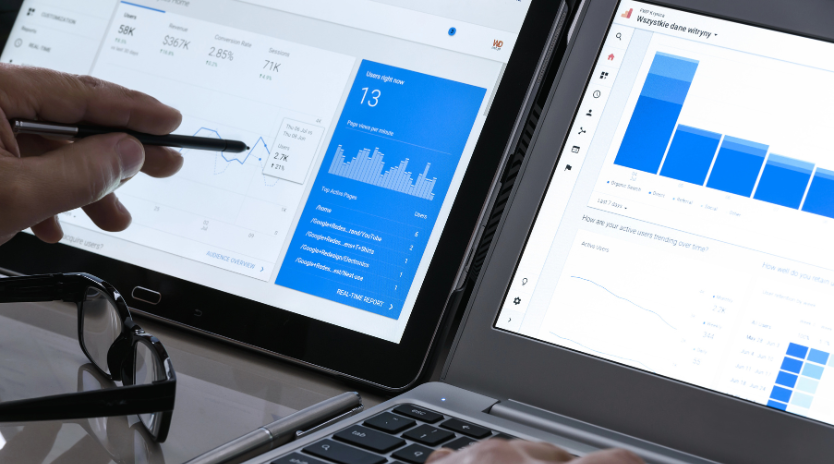
Meta Ads and Google Ads are two of the most powerful digital advertising platforms available today, but they work in very different ways. For business or academic institutions trying to solve challenges like how to grow sales or how to increase enrollment in private schools, understanding these differences is critical to spending marketing budgets wisely and building sustainable growth.
In this article, we’ll cover five essential things you need to know about how Meta and Google Ads work, how their algorithms differ, why organic content plays a critical role, and how using both platforms together can lead to more consistent and measurable results.
1. Meta and Google Ads are built for different user intent
The biggest difference between Meta and Google Ads is intent. Google Ads target users who are actively searching for something specific. When someone types a query into Google, they already have a need, question, or problem they want to solve. This high intent often leads to stronger leads and more predictable conversions. Meta Ads (Facebook and Instagram), on the other hand, interrupt users while they scroll. People are not searching, they are browsing. This makes Meta excellent for brand awareness and storytelling, but less reliable for direct conversions without strong creative and trust signals.
2. Organic content feeds the algorithm more than ads alone
One of the least understood factors in paid advertising is how organic content impacts ad performance. This is especially important when addressing how to increase enrollment in private schools, where trust and credibility matter deeply. Meta’s algorithm favors accounts that consistently publish engaging organic content. Strong organic posts help train the algorithm, warm audiences, and lower ad friction. Ads that come from active, credible profiles typically perform better than ads from accounts that rely solely on paid traffic.
Organic content includes posts such as behind-the-scenes videos, campus tours, student or parent testimonials, faculty spotlights, educational tips, Reels, Stories, and community highlights. These posts generate engagement signals (likes, comments, shares, profile visits, and saves) that help the algorithm understand who finds the brand valuable. When paid ads are launched from an account with a strong organic foundation, they are shown to audiences who already recognize the brand, making them more likely to stop scrolling, trust the message, and convert.
3. Google ads reward relevance, not just budget
Google Ads operates on an auction system, but the highest bidder does not always win. Instead, relevance plays a major role in determining both ad placement and cost. Google uses a metric called Quality Score, which rates ads on a scale from 1 to 10 based on expected click-through rate, ad relevance, and landing page experience.
According to Google Ads Help documentation, advertisers with higher Quality Scores are rewarded with lower costs per click and better ad placements, even if they bid less than competitors. Supporting this, Digital Boom reports that advertisers with a Quality Score of 7 compared to a score of 3 can pay up to 64% less per click while maintaining strong visibility in search results. This means smaller advertisers can compete effectively when their messaging closely matches user intent and their landing pages provide a clear, helpful experience. Quality, not just budget, determines performance.
For many businesses, Google Ads deliver more stable results because they capture existing demand (people actively searching for a solution) rather than trying to create interest through interruption. This makes Google Ads especially effective for organizations focused on high-intent conversions.
4. Meta’s ecosystem is more complex than most people realize
Meta Ads are not just “Facebook ads.” The platform includes Facebook, Instagram, Messenger, Audience Network, and Reels placements, giving advertisers access to one of the largest digital ecosystems in the world. While this offers massive reach, it also significantly increases competition.
According to Meta’s Q1 2024 earnings report, the company reported a 10% year-over-year increase in ad prices, largely driven by higher demand and limited inventory. This rise means advertisers now need stronger creative, clearer messaging, and better-performing accounts to achieve the same results they once did with simple targeting.
At the same time, Apple’s iOS privacy updates have reduced the amount of user-level data available for targeting and attribution. This has made performance more inconsistent, especially for small and mid-sized advertisers without the budget to constantly test new creatives and audiences. Simply paying to reach the right audience is no longer enough. Meta’s algorithm now places greater weight on creative quality, engagement signals, and overall account trust. Advertisers with weak organic presence or low engagement history often struggle to scale, regardless of spend.
Meta and Google Ads serve different but complementary roles within a digital marketing strategy. While Meta excels at building visibility and shaping perception over time, Google is designed to capture intent at the moment users are actively searching for solutions. When used together, they create a balanced system that guides audiences from initial awareness to final decision-making. A clear understanding of how each platform functions is critical for sustainable growth. For organizations focused on how to increase enrollment in private schools, success lies in deploying each platform with purpose, supported by consistent organic messaging, strong credibility signals, and value-driven communication that builds trust long before conversion.
Related posts